

Table of Contents
- Why It Matters Whether a Product Is Dropshipped
- The Quick Checks: How to Tell if Products Are Dropshipped
- Use a Reverse Image Search for Shopping Research
- Common Dropshipping Red Flags on Product Pages
- Check the Seller: Reviews, Contact Details, and Policies
- Know Your Consumer Rights Online Shopping in the UK
- Conclusion: Buy With Confidence
- Frequently Asked Questions
Last Updated: 5 September 2026
Why It Matters Whether a Product Is Dropshipped
Dropshipping is a legitimate way to run an online store, but it changes what you should expect from a purchase. Learning how to tell if products are dropshipped helps you avoid long waits, quality surprises, and the frustration of dealing with a middleman who has never touched the item. This guide from Speid's Shop walks through the practical checks so you can shop with confidence.
The core issue is simple: a dropshipped product travels from a supplier directly to your door, often from overseas. That means the seller has no control over quality, packaging, or delivery timing. When you can spot the signs, you can decide whether the trade-off is worth it or whether you would rather buy from a shop that holds stock and stands behind what it sells.
Below, we will show you exactly how to run a few quick checks before you hand over your payment details. The process takes about five minutes and can save you from a disappointing parcel.
The Quick Checks: How to Tell if Products Are Dropshipped
The fastest way to identify a dropshipped product is to look at the practical details of the listing. Delivery times, shipping locations, and the quality of the photographs reveal more than any description ever will.
Delivery Times and Shipping Locations
Check the stated delivery window before you read anything else. A genuine UK-based retailer holding stock typically delivers within two to four working days. If the listing quotes seven to twenty days for standard delivery, the item is almost certainly being sent from abroad.
Look for the shipping origin in the product details or FAQ. Many dropshippers list a UK warehouse for returns but dispatch from China, Turkey, or elsewhere. When the seller cannot confirm where the item ships from, treat that as a warning sign.
Photo Quality and Stock Imagery
Professional retailers photograph their own products against consistent backgrounds. Dropshippers often reuse supplier images, so you will see the same photo across dozens of unrelated websites. Look closely at the images for watermarks, mismatched backgrounds, or a model whose hands do not match the product colour.
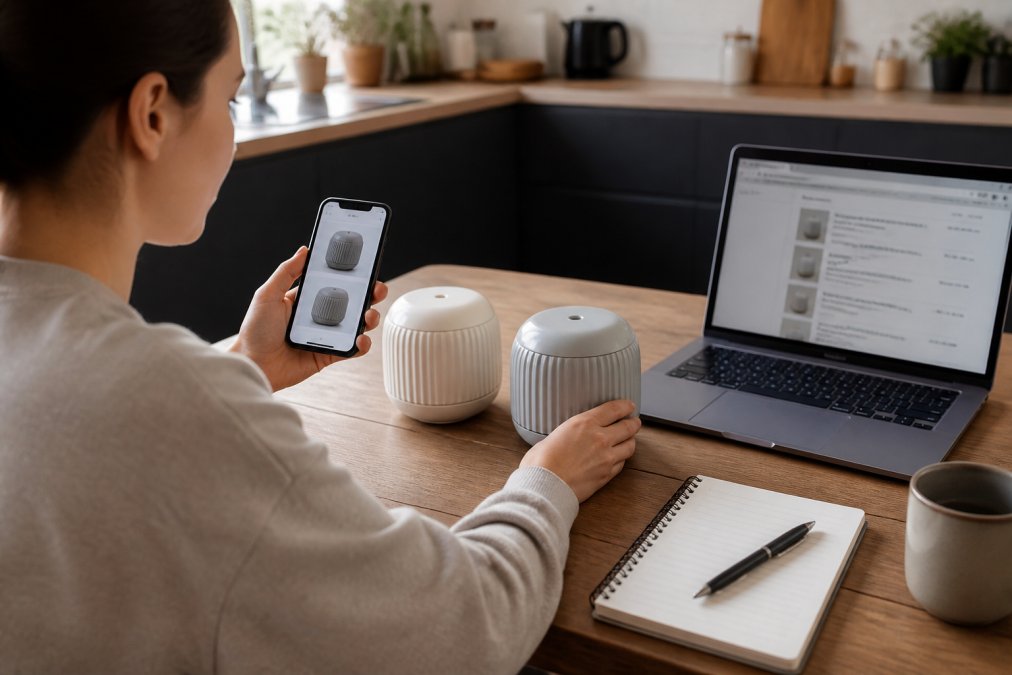
A reverse image search for shopping research settles the question quickly. Save the product photo, then upload it to a search engine that supports image lookup. If the same picture appears on AliExpress, Alibaba, or other wholesale platforms, the seller is dropshipping that item.
Use a Reverse Image Search for Shopping Research
Reverse image search is the single most reliable tool for spotting dropshipped goods. It takes seconds and gives you a definitive answer rather than a guess.
Open your browser and go to images.google.com or a similar service. Drag the product photo into the search bar, or right-click the image and select "Search image with Google". The results will show every website using that same photo. When the top results are wholesale marketplaces or foreign retailers, the product is dropshipped.
This method also helps you compare prices. If you find the identical item on a wholesale site for a fraction of the price, you know the seller is adding a significant markup for essentially zero service. Many shoppers find that the same product is available from multiple UK stores, all dropshipping from the same supplier. Checking a couple of listings against each other reveals who is genuinely adding value and who is simply reselling.
Common Dropshipping Red Flags on Product Pages
Certain phrases and design choices appear repeatedly on dropshipping storefronts. Learn to spot them and you will save yourself considerable time.
- Vague sizing or "one size fits all" descriptions that avoid specific measurements
- Product descriptions copied directly from the supplier, often with awkward grammar or translated phrasing
- No mention of materials, weight, or dimensions anywhere on the page
- Reviews that reference other products or seem oddly generic
- A store that sells unrelated items, such as phone cases alongside garden tools
The broader the catalogue, the less likely the seller has any real expertise in what they are selling. A shop that stocks everything from dog toys to laptop stands is almost certainly running a general dropshipping operation rather than curating a considered range.
Check the Seller: Reviews, Contact Details, and Policies
The seller's behaviour tells you as much as the product page. Spend a few minutes checking how they handle customer service before you commit.
Look for a physical address and a working phone number. Many dropshippers operate with only an email form, which makes resolving problems difficult. Search the store name alongside words like "review" or "complaint" to see what previous customers report. Consistent complaints about late delivery or poor quality confirm what the listing hints at.
Return policies deserve close attention. A legitimate retailer offers a straightforward returns process because they can inspect and restock returned items. A dropshipper often charges restocking fees, requires the customer to pay return shipping overseas, or offers only store credit. These barriers exist because returning goods to an overseas supplier is costly and slow.
Know Your Consumer Rights Online Shopping in the UK
Your legal protections apply whether a product is dropshipped or not. Under the Consumer Rights Act 2015, goods must be of satisfactory quality, fit for purpose, and as described. If a dropshipped item arrives damaged, faulty, or different from the listing, you are entitled to a repair, replacement, or refund.
The Consumer Contracts Regulations also give you a 14-day cooling-off period from the day you receive the goods. During this window you can cancel the order for any reason and receive a full refund, including the standard delivery cost. The seller must refund you within 14 days of you cancelling.
When buying from a UK-based store, these rights are straightforward to enforce. Problems arise when the seller is actually based overseas and simply uses a UK-facing website. Check the seller's registered address and terms to confirm which country's rules apply. Guidance from Citizens Advice on your rights when buying online explains how to pursue a claim if things go wrong, and the Competition and Markets Authority guidance on online selling outlines what traders must disclose. For cross-border purchases, the European Consumer Centre information on distance selling offers additional clarity on your position.
Conclusion: Buy With Confidence
Knowing how to tell if products are dropshipped puts you back in control of your online shopping. Check delivery times, run a reverse image search, read the returns policy, and verify the seller's contact details before you pay.
At Speid's Shop, we understand the frustration of receiving a parcel that does not match its listing. That is why we hold stock, photograph our own products, and offer free returns with a 30-day return policy, so you can shop knowing exactly what you will receive. Our customer satisfaction is built on transparent policies and platform-wide reviews from real buyers.
Get started with Speid's Shop and find home and lifestyle accessories that genuinely earn their place in your daily routine.
Frequently Asked Questions
What are the most common signs of a dropshipping website?
Look for unusually long delivery windows, such as 15 to 30 days, which suggest items ship directly from overseas suppliers. Sparse product descriptions, stock photos used across multiple unrelated sites, and a lack of genuine customer reviews are also strong indicators. If the seller has no physical address or direct contact number, treat that as a warning sign. Check the returns policy too, dropshippers often make returns difficult or charge you to send items back internationally.
How can I use a reverse image search to spot dropshipped products?
Save the product photo and upload it to Google Images or TinEye. If the same image appears on AliExpress, Alibaba, or other wholesale marketplaces, the item is almost certainly dropshipped. This tells you the original wholesale price and shows you the quality level to expect. You can also spot products sold by multiple independent stores using identical photos, which confirms none of them hold their own stock or photograph items themselves.
Are all dropshipped products poor quality?
No, but quality is inconsistent. Because items ship directly from the supplier, the seller never inspects them before dispatch. One batch may be fine while the next has defects, so reviews tend to be mixed. The bigger issue is what happens when something goes wrong. Many dropshippers have minimal after-sales support, making refunds and replacements slow. Your UK consumer rights still apply, but enforcing them across borders takes more effort than dealing with a UK-based retailer.
What are my consumer rights when buying from a dropshipper?
Under the Consumer Rights Act 2015, goods must be as described, fit for purpose, and of satisfactory quality. If they are not, you have 30 days to reject them for a full refund. The Consumer Contracts Regulations also give you 14 days to cancel most online orders for any reason. These rights apply regardless of whether the seller dropships. If the seller is based outside the UK, enforcement is harder, so check their registered address before ordering.


