

Table of Contents
- What Actually Sets Premium Kitchenware Apart?
- The Real Cost Difference: Budget vs Premium
- Is Non-Stick Cookware Worth the Price?
- How to Maintain Stainless Steel Cookware
- Best Kitchenware Brands for Home Cooks
- Where Premium Kitchenware Is Worth the Splurge
- Making the Call: Practical Buying Advice
- Frequently Asked Questions
Last Updated: September 7, 2026
The question "is it worth buying premium kitchenware" usually comes down to one thing: whether you cook enough to justify the upfront cost. For a home cook who prepares most meals from scratch, the answer is often yes, because the durability and performance genuinely change the cooking experience. This guide from Speid's Shop breaks down where the premium really lies, how to spot genuine quality, and where spending extra is actually a waste of money.
Most guides get this wrong by treating all premium kitchenware as the same. In reality, the value depends entirely on the material, the construction, and how you cook. Below, we'll show you exactly how to evaluate each category, what to maintain, and which specific upgrades deliver the most noticeable results for the money.
What Actually Sets Premium Kitchenware Apart?
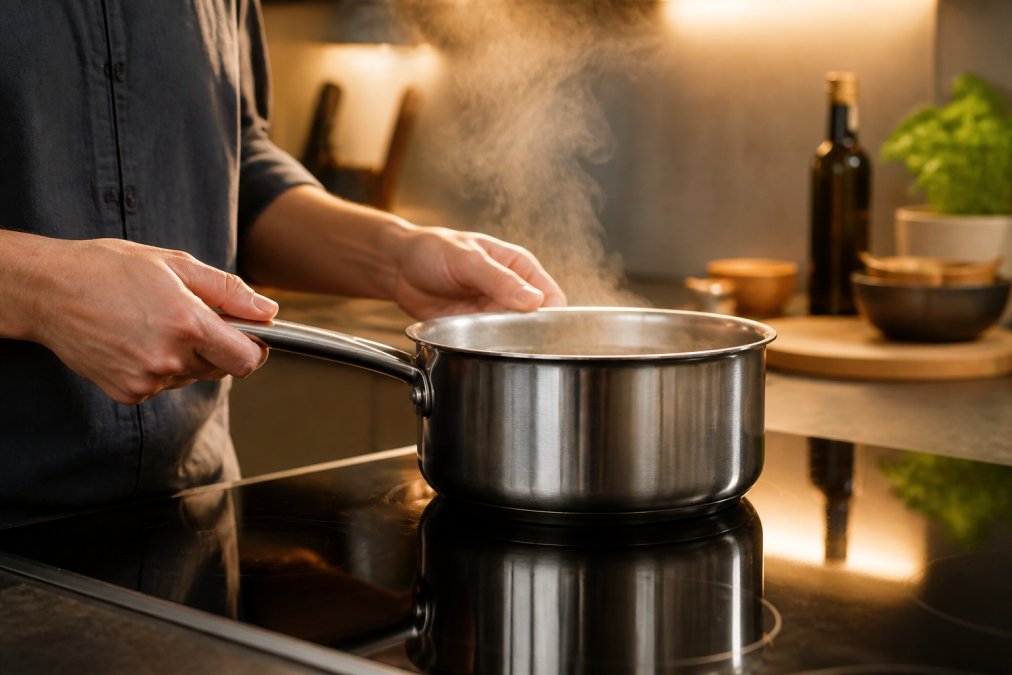
Premium kitchenware is defined by material thickness, construction method, and heat distribution, not just the brand name stamped on the base. A heavy-gauge stainless steel pan with an aluminium or copper core heats evenly across its surface, eliminating the hot spots that cause food to burn in patches. Budget pans use thinner metal that warps under high heat and distributes temperature unevenly.
The difference becomes obvious the first time you sear a steak or reduce a sauce. A quality pan holds its temperature when cold food hits it, so you get a proper golden crust instead of stewing in released juices. Riveted handles stay cool and secure, and the base sits flat on the hob without spinning or wobbling.
According to consumer guidance on cookware materials and performance, the construction quality of pans directly affects how evenly they cook and how long they last. Cheaper alternatives often show their limitations within the first year of regular use.
The Real Cost Difference: Budget vs Premium
A budget saucepan might cost £15 to £25, while a premium equivalent can run £80 to £150 or more (which.co.uk). That gap feels enormous at the till, but the economics change when you spread the cost over the lifespan of the product.
A cheap pan with a non-stick coating typically needs replacing every one to two years as the coating degrades and starts flaking. A well-made stainless steel or cast iron pan can last decades with proper care. Over ten years, the budget option might cost you £150 to £250 in replacements, while the premium pan is still going strong after its single upfront purchase.
The value calculation also includes performance. Better heat control means fewer ruined meals, which matters if you cook regularly. For someone who only heats up ready meals a few times a week, the premium price is harder to justify.
Is Non-Stick Cookware Worth the Price?
Non-stick cookware is worth the price only when you understand its limitations. A quality non-stick pan excels at eggs, delicate fish, and low-fat cooking, but it will never sear meat properly or create pan sauces with fond. The coating is a consumable layer, not a permanent one.
Premium non-stick pans use multiple layers of reinforced coating that resist scratching and last longer than budget versions. However, even the best non-stick coating degrades eventually. Most manufacturers recommend replacing non-stick pans every few years as the coating shows signs of wear. If you treat non-stick as a specialist tool for specific tasks rather than an all-purpose pan, a mid-range option often delivers the best value.
The mistake most home cooks make is buying cheap non-stick and expecting it to behave like a premium pan. It won't. If you only need non-stick for eggs and pancakes, save your money and buy a modestly priced pan that you replace when the coating wears out.
How to Maintain Stainless Steel Cookware
Stainless steel cookware rewards simple, consistent care. After cooking, let the pan cool slightly before washing to prevent warping from thermal shock. Wash with warm soapy water and a soft sponge; avoid abrasive scouring pads that scratch the surface. For stubborn food residue, fill the pan with warm water and a splash of washing-up liquid and let it soak.
Discolouration and brown stains are normal and harmless. A paste of bicarbonate of soda and water removes most marks without damaging the surface. To keep the exterior shiny, a dedicated stainless steel cleaner works well, though it is cosmetic rather than functional.
The most common maintenance mistake is putting stainless steel pans in the dishwasher. The harsh detergent and high heat can cause pitting and discolouration over time. Hand washing takes two minutes and preserves the pan's appearance for years.
Best Kitchenware Brands for Home Cooks
The best kitchenware brands for home cooks balance professional-grade performance with realistic prices. Luxury names like Le Creuset and Staub command high prices for their enamelled cast iron, and the quality is genuine, but they are not the only route to good cooking results.
For stainless steel, brands like Demeyere, All-Clad, and Fissler are respected for their multi-layer construction. For cast iron, Lodge offers excellent value, while Le Creuset's enamelled range is beloved for its durability and colour options. British home cooks also rate brands like ProCook highly for offering solid performance at more accessible prices.
independent testing of cookware brands and performance regularly highlights that mid-range options from specialist cookware retailers often outperform premium brands in blind tests. The brand name matters less than the specific construction of each piece.
| Brand Type | Example Approach | Best For | Price Expectation |
|---|---|---|---|
| Luxury enamelled | Le Creuset, Staub | Slow cooking, oven-to-table | £100+ per piece |
| Professional stainless | Demeyere, All-Clad | Searing, sauces, everyday | £80-£200 per pan |
| Value specialist | ProCook, Lodge | First kitchen setup | £20-£60 per piece |
Where Premium Kitchenware Is Worth the Splurge
Premium kitchenware is worth the splurge in three specific areas: pans you use daily, knives you sharpen, and tools that hold their function over years of heavy use. A frying pan, a chef's knife, and a Dutch oven are the three items where spending more delivers measurable, lasting benefits.
A quality chef's knife, properly maintained, will outlast a dozen budget knives and stay sharper for longer. A good Dutch oven performs equally well on the hob and in the oven, replacing several cheaper pieces of cookware. Daily-use pans with solid construction save you money on replacements and improve your cooking every single day.
Where premium is not worth it: decorative serving pieces, novelty gadgets, and single-purpose tools you will use a handful of times a year. These items offer no performance benefit that justifies their price tag.
For practical kitchen upgrades that genuinely save time without the premium price, consider simple additions like a 360-rotation kitchen sink tap extender at £11.99, which makes washing large pots easier and reduces splashing. An LCD digital kitchen scale spoon at £7.99 gives precise measurements with one hand, removing the need for bulky scales. A microwave splash cover at £19.99 keeps your microwave clean and stops food drying out during reheating.


Making the Call: Practical Buying Advice
Deciding whether to buy premium kitchenware comes down to your cooking frequency and your willingness to maintain the items. Cook most nights and enjoy the process? Invest in quality pans and knives. Cook occasionally and prefer convenience? Mid-range options will serve you perfectly well.
Start with one or two genuinely useful upgrades rather than replacing everything at once. Buy the best frying pan you can afford, then add pieces as your cooking develops. Avoid complete sets that include items you will rarely use; you pay for pieces that just take up cupboard space.
Consider what you already own. If your current pans are warped, have loose handles, or their non-stick coating is flaking, that is a clear signal for an upgrade. If they still cook evenly and look after a good clean, there is no urgency to replace them.
The honest answer to whether premium kitchenware is worth buying is that it depends entirely on your habits and priorities. For regular cooks, quality pans and knives justify their cost through durability, better results, and fewer replacements. For occasional cooks, the savings from mid-range options make more sense. At Speid's Shop, we curate practical kitchen solutions that solve real problems, backed by free delivery, free returns, and a 30-day return policy. Order now and find the upgrade that genuinely earns its place in your kitchen.
Frequently Asked Questions
Does expensive cookware actually make food taste better?
Expensive cookware does not change the flavour of food by itself, but it does heat more evenly and hold temperature better. That means fewer burnt spots and more consistent results, especially with sauces or seared meat. Premium pans also tend to have better heat distribution across the whole base, so your cooking is more predictable. If you cook regularly, that consistency makes a noticeable difference to the finished dish.
How long should premium kitchenware last?
Well-made stainless steel cookware should last 15 to 20 years or more if you look after it. Cast iron can last generations. Non-stick pans are the exception, as the coating naturally degrades and typically needs replacing every 3 to 5 years, even at the premium end. That lifespan gap matters when you compare the upfront price of a quality pan against replacing a budget one every couple of years.
Which kitchen items are worth spending more money on?
Spend more on items you use daily and expect to last: stainless steel frying pans, chef's knives, and sturdy baking trays. These take real punishment and quality construction shows. For gadgets you use occasionally, like a specialist splash cover or a digital scale spoon, a mid-range option around the £10 to £20 mark often delivers all the practical value you need without the premium markup.
Is there a noticeable difference between budget and premium pans?
Yes, mainly in the base thickness and material quality. Budget pans often have thin bases that warp or develop hotspots, causing food to cook unevenly. Premium pans use thicker layers of aluminium or copper sandwiched between stainless steel, spreading heat evenly across the surface. You also get better handles, tighter-fitting lids, and rivets that do not loosen. For everyday cooking, those differences are easy to notice.


