

Table of Contents
- What You'll Need Before You Start
- Step 1: Loosen Dried Microwave Stains with Steam
- Step 2: Scrub Away Tough Dried Microwave Stains
- How to Remove Burnt Smell from Microwave
- Best Natural Microwave Cleaner Options
- How to Deep Clean a Microwave
- Common Mistakes to Avoid
- Preventing Future Dried Microwave Stains
- Frequently Asked Questions
Last Updated: September 24, 2026
What You'll Need Before You Start
Dried microwave stains are baked-on food splatters that have hardened onto the interior walls, ceiling and door after repeated reheating. They stick because heat drives moisture out of the food residue, leaving behind a tough film that plain wiping won't shift.
You don't need harsh chemicals. You need steam, a little patience, and the right tools.
Gather these before you begin:
- A microwave-safe bowl
- Water and either lemon juice or white vinegar
- A soft sponge or microfibre cloth
- A plastic scraper or old credit card
- Bicarbonate of soda
- Rubber gloves
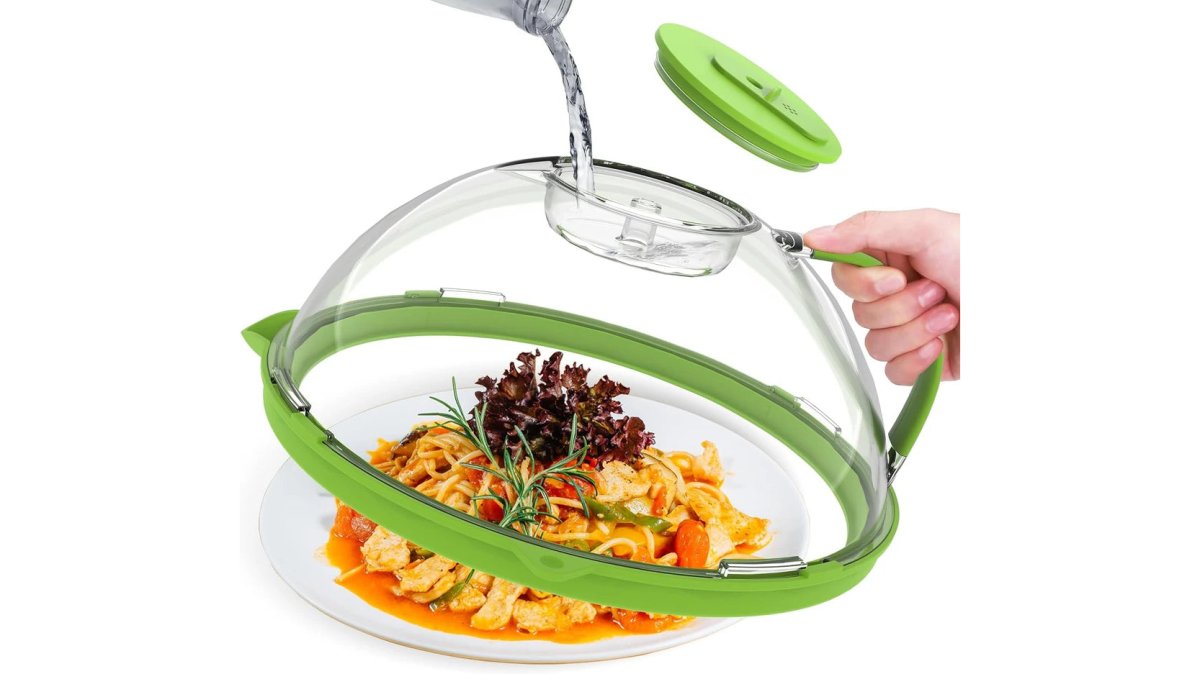
- A microwave splash cover for future use
A common mistake is reaching straight for an abrasive pad. That scratches the interior coating, and scratched surfaces trap food far more easily next time.

Step 1: Loosen Dried Microwave Stains with Steam
Steam is the fastest way to soften dried microwave stains without scratching anything.
Fill a microwave-safe bowl with water and add a few slices of lemon or two tablespoons of white vinegar. Heat on full power for three to five minutes until the window fogs up heavily.
Leave the door closed for another five minutes. The trapped steam works on the hardened residue while you wait.
Then open the door and wipe. Most splatters come away with one pass of a damp cloth. For stubborn patches, dip your cloth in the warm water and hold it against the stain for thirty seconds before wiping again.
This one step handles the majority of dried microwave stains you'll find. Skip it and you'll scrub three times as long for half the result.
Step 2: Scrub Away Tough Dried Microwave Stains
Some stains need more than steam. Burnt-on sauce and cheese that's hardened over weeks won't lift with water alone.
Sprinkle bicarbonate of soda onto a damp sponge and work it into the stain in small circles. The mild grit lifts residue without damaging the interior coating.
For really set-on patches, make a paste of bicarbonate of soda and a little water. Spread it over the stain, leave it for ten minutes, then wipe.
A plastic scraper helps with thick, crusted areas. Never use metal scourers or knives. They gouge the surface and create hiding places for the next round of splatter.
Rinse everything with a clean damp cloth afterwards. Leftover bicarbonate leaves a chalky film that shows up once the interior dries.
How to Remove Burnt Smell from Microwave
A lingering burnt smell means food residue is still hiding somewhere, usually under the turntable or in the vent.
Start by removing the turntable plate and its roller ring. Wash both in warm soapy water. Wipe the recess underneath, where spilled liquid pools and bakes.
Then steam the cavity again with water and lemon. Lemon neutralises odours rather than just masking them. For a stronger result, add a few cloves or a cinnamon stick to the bowl.
Wipe down the door seal and the vents along the sides. Grease collects there and reheats every time you cook.
Leave the door open for an hour afterwards to let the interior air out fully. If the smell persists, place a bowl of bicarbonate of soda inside overnight. It absorbs lingering odours while you sleep.
Best Natural Microwave Cleaner Options
Natural cleaners work as well as shop-bought sprays for dried microwave stains, and they cost far less.
Lemon juice is the most popular choice. The acid cuts through grease, and the scent lingers pleasantly. Half a lemon in a bowl of water does the job.
White vinegar is stronger on grease and limescale. Mix equal parts vinegar and water. The smell fades once it dries, so don't worry about your kitchen smelling like a chip shop.
Bicarbonate of soda is your abrasive for scrubbing. It's gentle enough for everyday use on coated interiors.
Washing-up liquid handles light grease on its own. A few drops in warm water work well for weekly wipe-downs.
Avoid bleach-based products and anything with ammonia. Heat turns them into fumes you don't want to breathe in a small kitchen.
How to Deep Clean a Microwave
A deep clean takes about twenty minutes and should happen once a month, or whenever you notice buildup.
Work through it in this order:
- Unplug the microwave or switch it off at the wall
- Remove the turntable, roller ring and any racks
- Steam the cavity with lemon or vinegar water
- Wipe down walls, ceiling and floor with a damp cloth
- Scrub stubborn spots with bicarbonate of soda
- Clean the door seal and vents with a cotton bud
- Wash and dry the turntable and ring
- Wipe the exterior and control panel with a soft cloth
Don't forget the outside. Greasy fingerprints on the door and handle make a clean interior feel pointless.
Dry everything fully before plugging back in. Moisture around the door seal can cause arcing, which damages the appliance.
Common Mistakes to Avoid
The biggest mistake is letting stains dry in the first place. A ten-second wipe after each use saves a twenty-minute scrub later.
Other errors we see often:
- Using metal scourers, which scratch the interior coating
- Spraying cleaner directly onto the control panel
- Leaving the turntable in place while scrubbing
- Skipping the door seal, where grease hides
- Using oven cleaner, which is unsafe in a microwave
- Not drying the interior, which encourages mould
What most guides miss is the vent. Grease builds up in the side vents and reheats every time you cook, which is why some microwaves smell burnt even after a thorough clean.
Preventing Future Dried Microwave Stains
Prevention beats cleaning every time. A microwave splash cover is the simplest fix.
Speid's Shop stocks a Microwave Splash Cover for £19.99 that blocks splatter before it hits the walls. Simply add water, cover the food and then wait for a mess-free experience that doesn't dry out your meal!
It also has a diversion groove that stores additional steam water, preventing water stains and mess. The transparent cover is heat-resistant and protects against burns. The upgraded integrated handle design provides greater durability and insulation, with a detachable bottom plate ensuring your safety while handling hot dishes.
A few habits that keep your microwave clean:
- Cover everything you reheat
- Wipe the interior while it's still warm
- Empty and rinse the turntable weekly
- Leave the door open after cleaning to dry
A quick comparison of your options:
| Method | Time Needed | Best For | Effort |
|---|---|---|---|
| Steam and wipe | 10 minutes | Weekly upkeep | Low |
| Bicarbonate scrub | 15 minutes | Stubborn stains | Medium |
| Deep clean | 20 minutes | Monthly reset | High |
| Splash cover | Ongoing | Prevention | None |
Dried microwave stains are a nuisance, but they're a solvable one. The trick is steam first, gentle scrubbing second, and covering your food so the problem never builds up again.
At Speid's Shop, we stock practical kitchen helpers designed to make daily routines easier. Our Microwave Splash Cover comes with free shipping, free returns and a 30-day return policy, so you can try it without risk. Every purchase is backed by 100% secure payments with SSL encryption and 5.0 Platform-wide Reviews from customers who've made the switch.
Shop now and stop scrubbing for good.
Frequently Asked Questions
What is the best way to remove burnt-on food from a microwave?
Steam is the most effective first step. Fill a microwave-safe bowl with 250ml of water and a squeeze of lemon, then heat on full power for 3 to 5 minutes until the window steams up. Leave the door closed for 5 minutes so the steam softens the burnt-on food. Wipe with a damp cloth or sponge. For stubborn patches, add a paste of bicarbonate of soda and water, apply to the stain, and scrub gently with a non-abrasive pad.
Can I use vinegar to clean dried stains in a microwave?
Yes. White vinegar is one of the best natural microwave cleaners for dried stains. Mix equal parts white vinegar and water in a microwave-safe bowl, heat for 3 to 5 minutes, and let the steam sit for 5 minutes before wiping. The acetic acid breaks down grease and food residue. For extra cleaning power, add a few drops of lemon juice.
How do you remove yellow stains from the inside of a microwave?
Yellow stains usually come from built-up grease and food splatter that has baked onto the interior walls over time. Make a paste from 2 tablespoons of bicarbonate of soda and 1 tablespoon of water. Apply it to the yellowed areas and leave for 10 to 15 minutes. Wipe away with a damp cloth, then spray with a 50/50 vinegar and water solution and wipe again. For very old stains, repeat the process. Regular deep cleaning every 1 to 2 weeks prevents yellowing from setting in.
What should I avoid using when cleaning the inside of a microwave?
Never use abrasive scouring pads, steel wool, or harsh chemical oven cleaners inside a microwave. These can scratch the interior coating, which leads to rust and permanent staining. Avoid bleach-based products because the fumes can be dangerous when heated later. This microwave splatter cover can only be used in microwave mode, and it is forbidden to use the grill, light wave, combination, or hot air convection mode. The temperature does not exceed 200°C and the heating time does not exceed 5 mins to avoid hot water burns. Stick to soft cloths, sponges, and gentle natural cleaners like vinegar and bicarbonate of soda.


